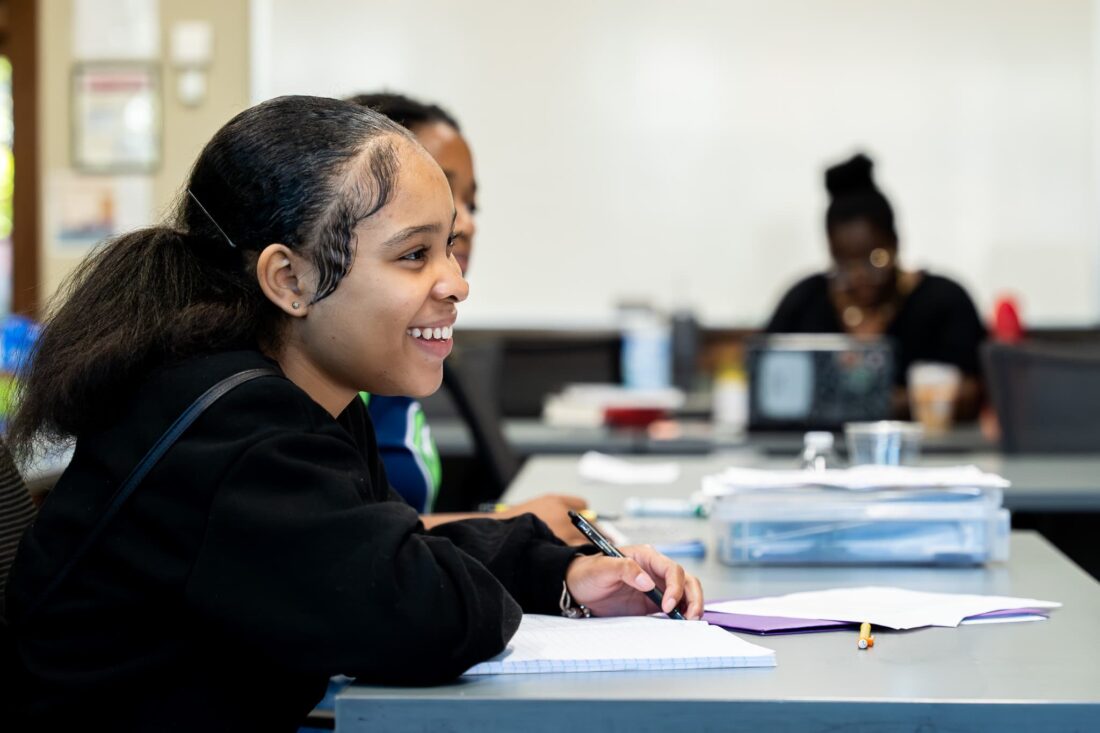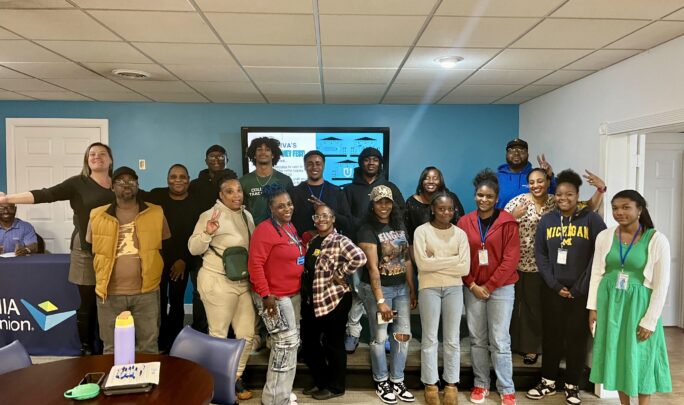
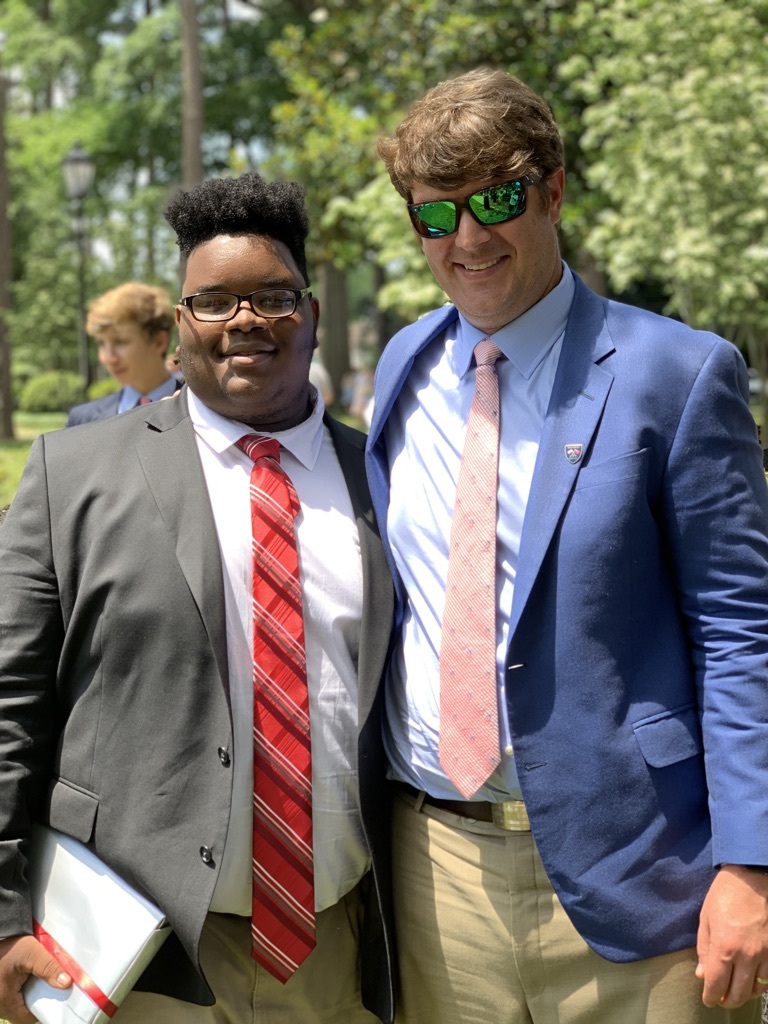
When people hear about UP RVA, they often think about school placement, transportation, or scholarships. All of that matters. But behind each of those supports is a longer arc — one that stretches from ninth grade through college graduation and into a student’s first job.
That arc is what we mean when we talk about building a résumé.
Not just a list of experiences on paper, but the confidence, skills, relationships, and self-knowledge that allow a young person to step into the world of work and build a life from it.
Today, that work lives at the center of UP RVA’s Pathways Program.
From High School to What Comes After
UP RVA didn’t always support students through college.
In the early years, our focus was high school — getting students into strong schools and helping them succeed once they arrived. Then a donor once said something to our founder, Toby Desch, that reshaped our thinking:
“Your work cannot stop at high school.”
At first, college support meant closing financial gaps so students could stay enrolled. But as our staff and relationships grew, it became clear that money alone wasn’t enough.
Students also needed preparation, guidance, accountability, and trusted adults who would stay with them when things got complicated.
That realization led to a deeper, more intentional approach — and to the Pathways Program as it exists today.
Building While Flying
Caitlyn Carpenter joined UP RVA in July 2024 after volunteering in our after-school program the year before. Her role is still evolving — often described as “building the plane while flying it.”
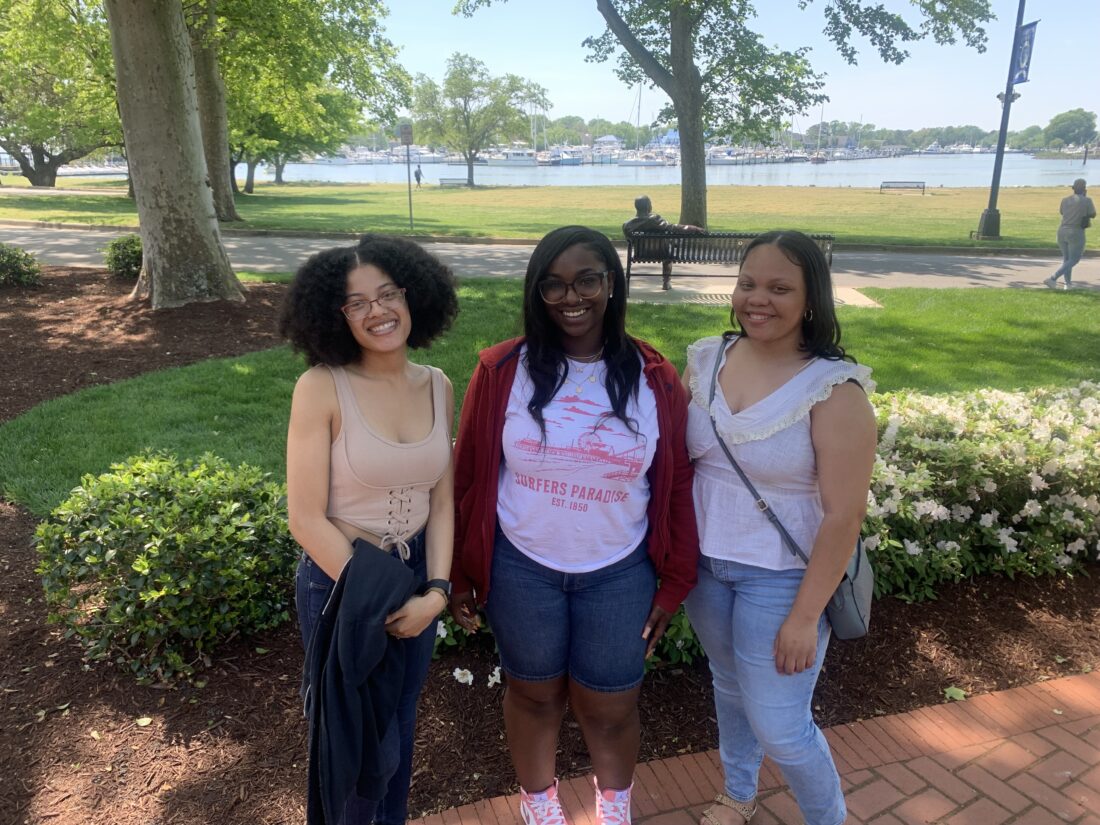
At its core, her work falls into four connected areas:
- Preparing high school juniors and seniors for college
- Supporting students once they arrive on campus
- Helping students explore careers — not just earn degrees
- Connecting students to meaningful summer experiences
What ties it all together is a simple question:
What will help this student build a résumé — and a future — they can sustain?
From the Academic Team
Amanda Hach, UP RVA’s Chief Program Officer, sees Caitlyn’s impact in the systems that now support students long after high school.
“Caitlyn built the structure that allows students to feel truly supported,” Amanda said. “Once they realized someone was consistently checking in and tracking their progress, they began reaching out more — and trusting the process.”
“She brings the same care and curiosity she had as a teacher,” Amanda added. “She does the research, keeps detailed records, and continues to raise the bar for how we show up for students as whole people.”
What That Support Feels Like to Students
That structure shows up most clearly in how students experience support day to day.
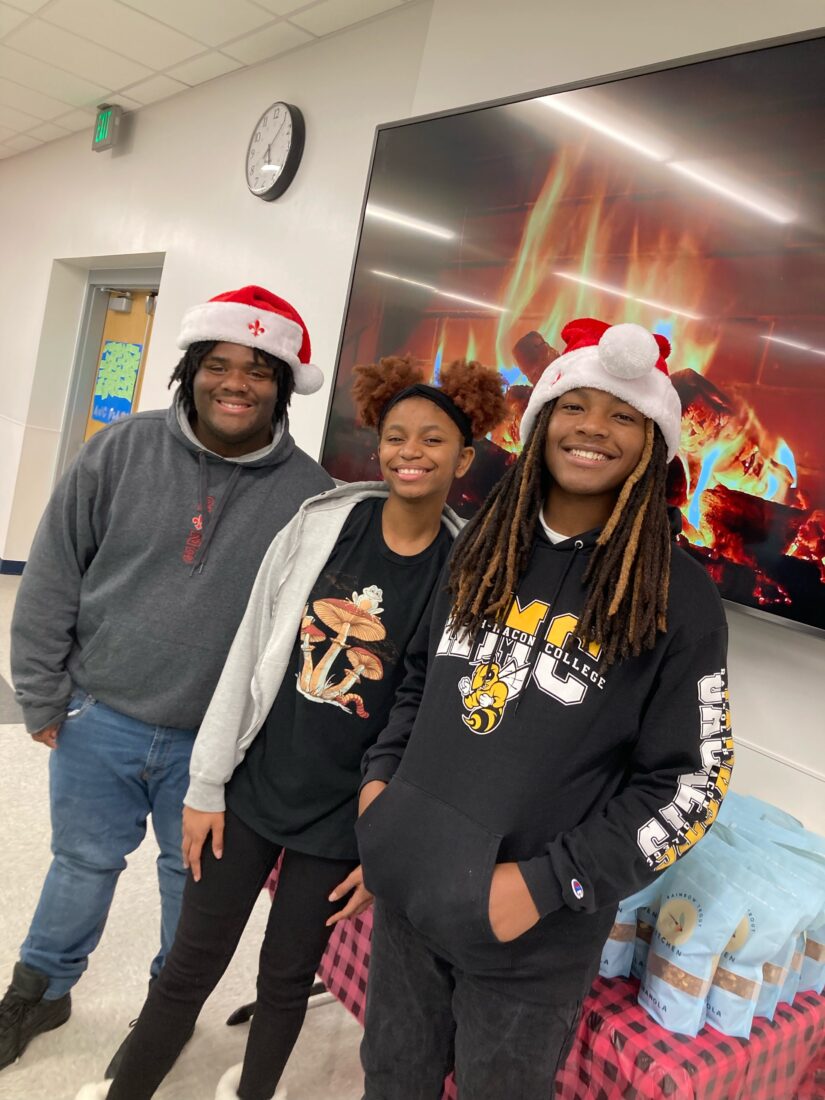
“Ms. Caitlyn is incredibly helpful in so many ways,” shared Jazmine Johnson, a sophomore at Bowie State. “She supports me in building connections, planning for the future, and figuring out what I need to make my college experience successful. She’s always there for students — in high school and in college.”
Zykerria Fowler, a sophomore at VCU, described how that support shows up during high-pressure moments.
“Ms. Caitlyn’s role at UP RVA has benefited so many students,” she said. “She connects us with mentors, opportunities in our fields, and support that moves our academic and career goals forward. She was a huge help during a stressful nursing school application, and you can tell she’s willing to go the extra mile for us.”
Anthony Bullock emphasized the relational side of the work.
“Caitlyn is an incredible bridge for students at UP RVA,” he shared. “She works hard to connect us with opportunities while still staying personally involved. It truly feels like she’s been here from the beginning.”
Starting Earlier Than College Applications
That work doesn’t begin in twelfth grade.
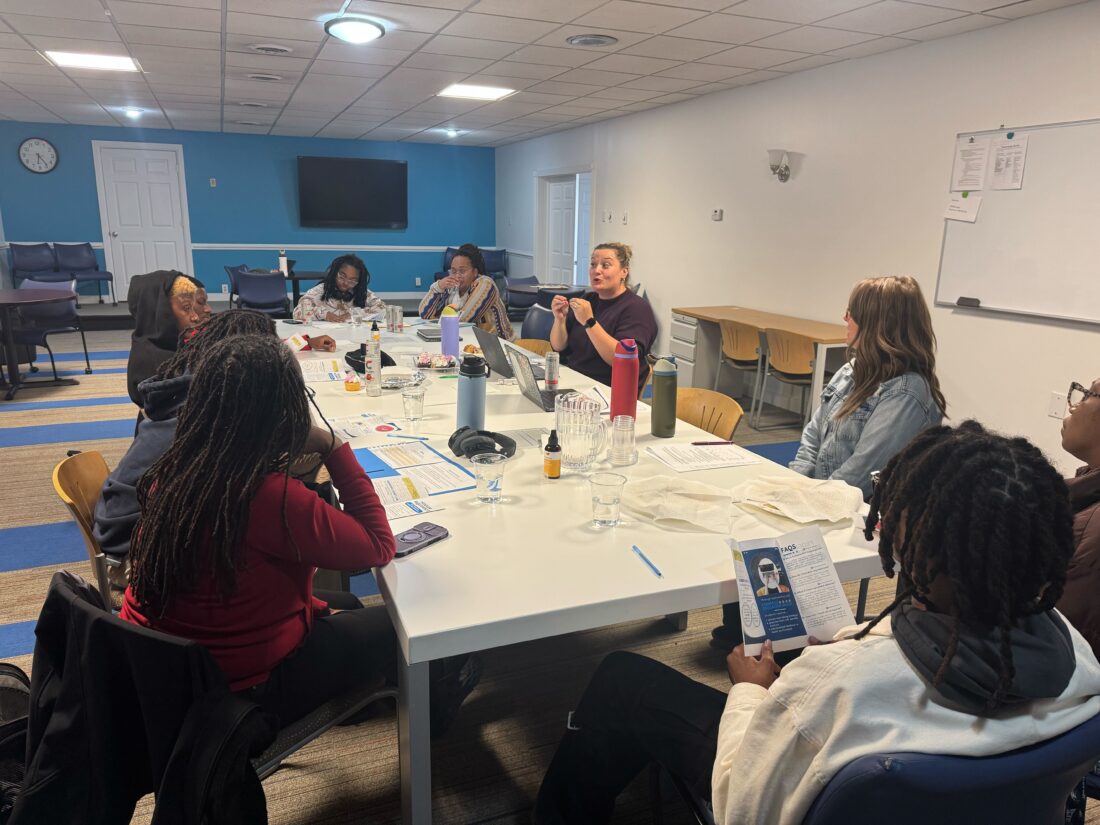
Every student completes SAT preparation. Students who fully engaged in the process saw an average 170-point increase in their scores.
Caitlyn has been intentional about building relationships with ninth and tenth graders, knowing trust now pays off later. By junior year, that trust matters — especially as expectations rise.
Just as important, older students now reinforce the message themselves:
“It’s only for a short period of time — and worth the effort.”
“Do it for future you.”
Alongside academics, each student is paired with a Community Champion — another caring adult invested in their growth.
Caitlyn often talks about the importance of surrounding students with as many caring, responsible adult figures as possible — parents, educators, mentors, and community members all working together.
Turning Experience Into Opportunity
Résumé-building isn’t limited to classrooms.
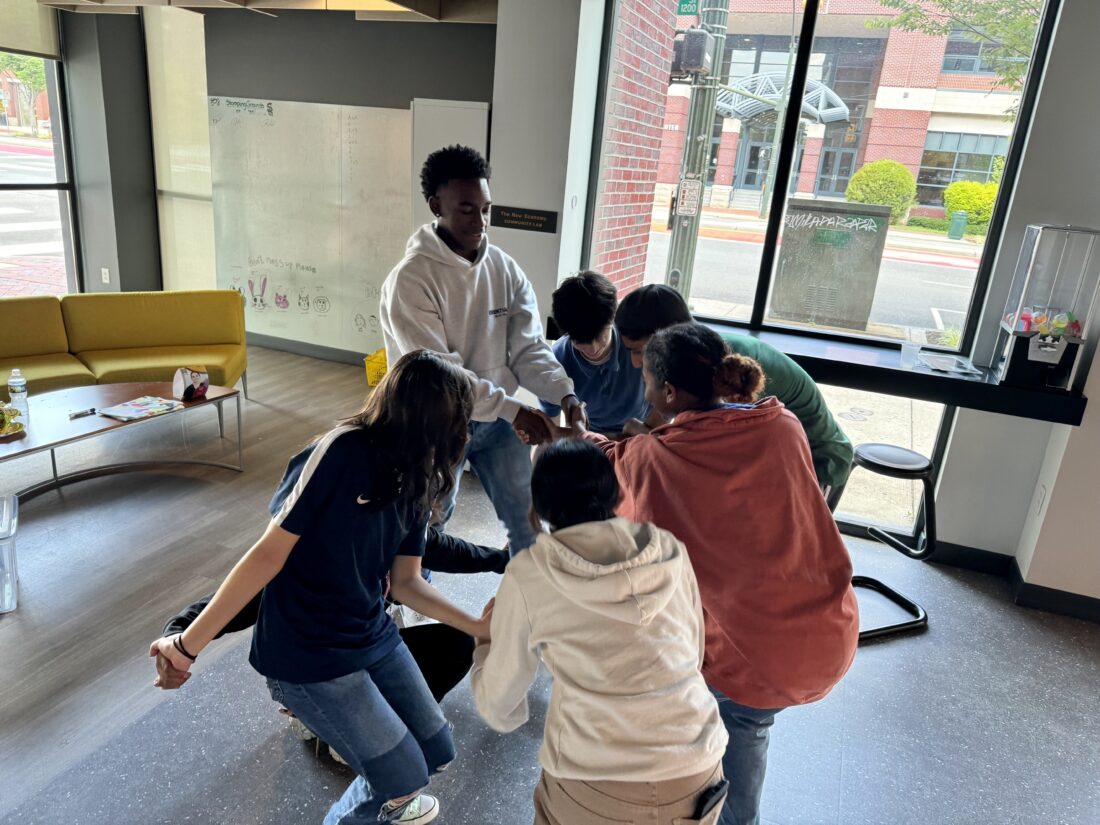
Throughout high school and college, Caitlyn works to connect students to summer programs, internships, and leadership experiences that help them develop real-world skills — and language employers recognize.
Students participate in opportunities like:
- Partnership for the Future
- CARELab
- Cochrane Summer Economics Institute
- Summer Institute on Leadership and Public Service
For many students, paid work is a necessity. UP RVA helps balance present needs with long-term goals — so students don’t have to sacrifice future opportunity to meet immediate demands.
Each experience adds a line to a résumé — and confidence to a student’s sense of what’s possible.
Senior Year: Decisions That Matter
By twelfth grade, the work becomes highly individualized.
College essays. FAFSA. Application tracking. Curated scholarship lists. Conversations about financial aid packages — not just acceptance letters — and what those choices mean over time.
UP RVA walks seniors through these decisions transparently, helping them weigh options and choose what’s right for them.
This is where résumé-building becomes concrete: leadership roles, service, internships, and experiences that signal readiness — not just eligibility.
College Support That Goes Beyond Check-Ins
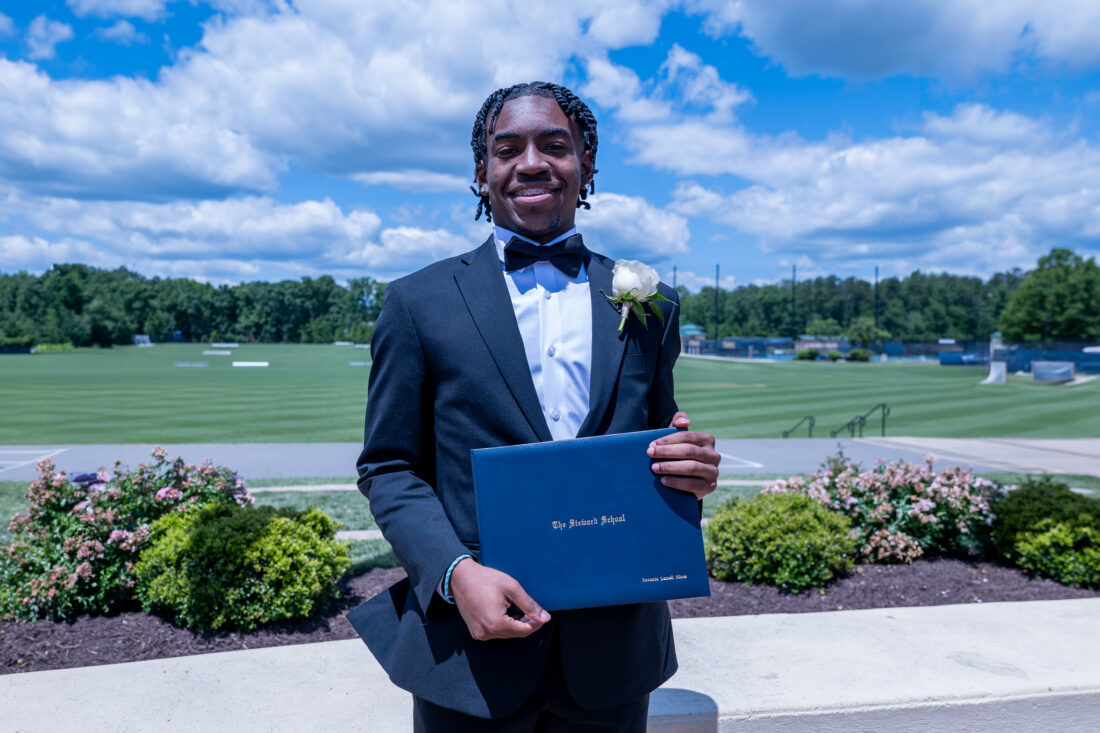
Once students arrive on campus, the support doesn’t fade.
Each semester, students meet with Caitlyn and Paul Bateera, UP RVA’s first employee and now Chief Financial & Operations Officer. Together, they review academics, social engagement, financial aid, and long-term goals.
Some students face complex situations — housing gaps, residency changes, or financial complications no one else is tracking. Others struggle quietly and need help before problems escalate.
Even top-performing students benefit. Transcript reviews have uncovered missed minors, unused credits, or career pathways no one had flagged.
The goal is partnership — not a last-minute rescue.
And it’s working.
After Graduation, the Relationship Continues
Graduation isn’t the end of the Pathways Program.
UP RVA currently supports eight college graduates, many of whom are working, pursuing advanced degrees, or preparing for professional exams. Some still need help navigating financial literacy, paperwork, or next steps.
As one alum recently put it, “I’m just a baby adult.”
They’re right. And they still deserve support.
UP RVA continues walking with them — because relationships built over eight years don’t end at commencement.
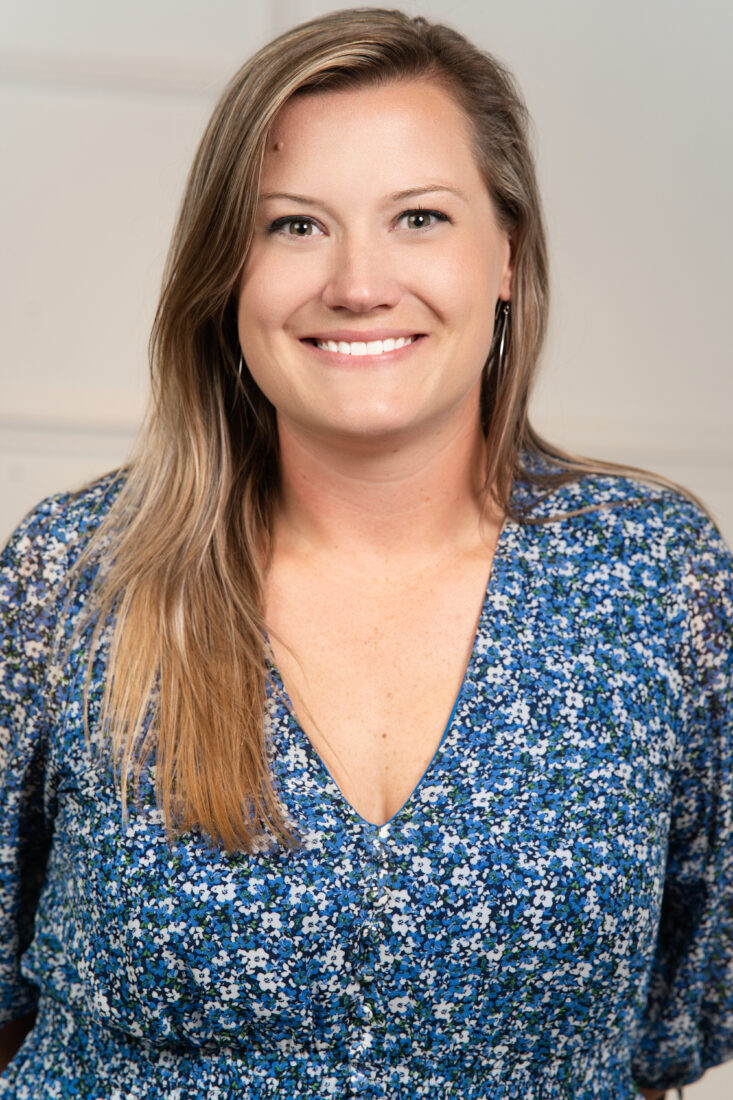
Why Caitlyn Does This Work
For Caitlyn, the work is deeply personal.
Her background as a historian and educator shaped how she understands opportunity — and how unevenly it’s distributed.
“Studying and teaching history made me very aware of how unfair the world can be,” Caitlyn shared. “I also recognize that I was born into circumstances that gave me access. This work is my way of using what I’ve been given to help create access for others.”
Teaching high school reinforced that calling.
“I saw students written off before they were ever given a real chance to thrive,” she said. “Watching students gain confidence and take ownership of their education showed me what’s possible when someone walks alongside you instead of giving up.”
Ultimately, Caitlyn sees her role as supporting students as they find their own direction.
“My grandmother used to tell me to ‘find something that lights your heart on fire,’” she said. “This work does that for me. My hope is that students feel supported as they discover their purpose — and turn that into a career and a life they’re proud of.”
What This Support Really Is
This work is complex. It’s relational. It’s ongoing.
It doesn’t fit neatly into a single milestone.
But it’s how students move from getting into school to building a résumé — and from building a résumé to building a life.
That’s the work of the Pathways Program.
And it’s what long-term support, done well, makes possible.