UP RVA didn’t set out to build a tutoring program.
In the early days, academic support looked like what you’d expect. Helping students get through homework. Preparing for tests. Trying to keep pace with the demands of independent schools.
But over time, something became clear.
Getting the work done wasn’t the real barrier.
Knowing how to start it, manage it, and stay with it was.
How the Work Evolved
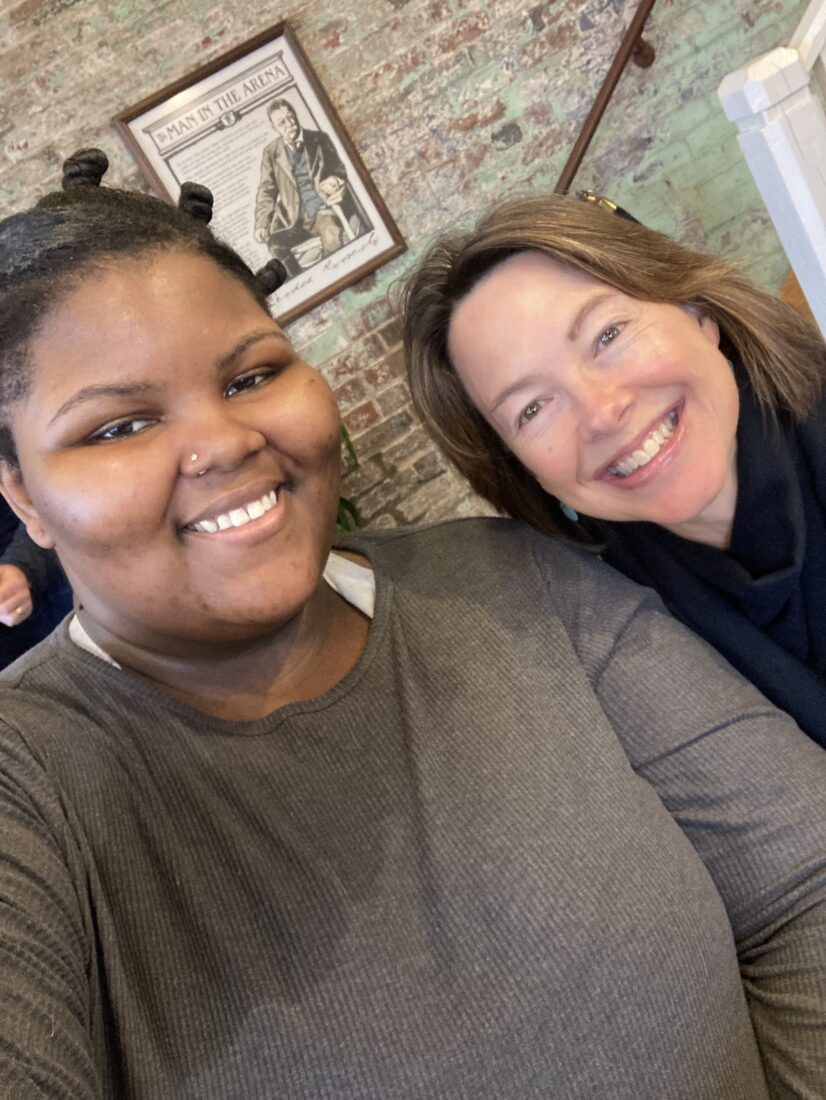
Before she ever joined UP RVA, Biz Read was simply looking for what might be next.
A UVA graduate and parent, she found herself drawn to the way students learn. That curiosity led her to training through the Landmark College Institute for Research and Training, and a nine-month seminar with Peg Dawson and Richard Guare specializing in executive function.
As part of that process, she needed to work with a student.
She found UP RVA.
She began meeting multiple times a week with a student named Paris, now at James Madison University. What started as a practicum quickly became something more.
Because what Biz was doing wasn’t tutoring.
It was helping a student understand how she learns, how she starts, and how she moves through challenges.
Changing the Work
When Biz officially joined the team in 2021, she didn’t just add support. She shifted how the work happened.
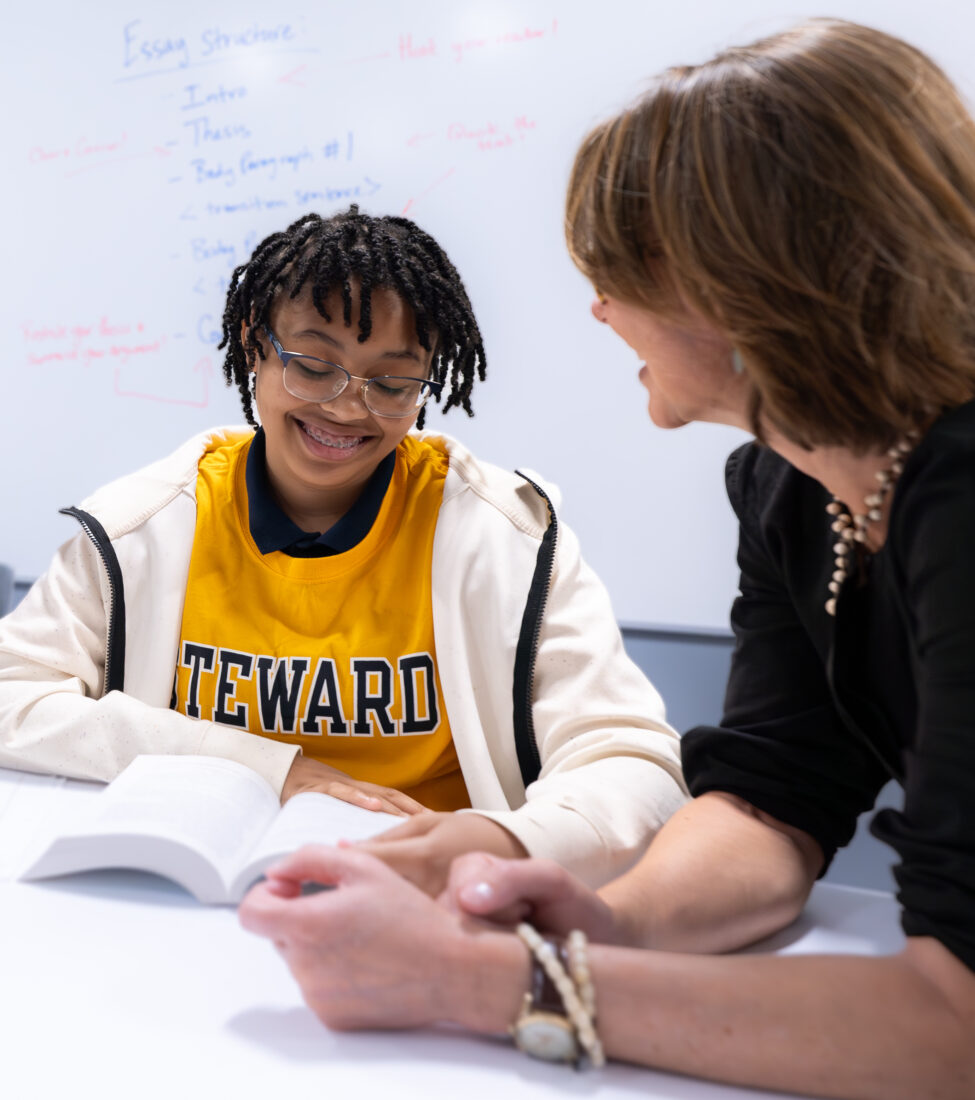
Instead of limiting academic support to after school, she began showing up during the school day. Study halls, free periods, moments in between.
That shift mattered.
It allowed for real-time support, stronger relationships, and a deeper understanding of what students were actually navigating.
And it made space to focus on something most students are never explicitly taught.
Executive functioning.
What That Actually Means
Executive functioning isn’t about intelligence or effort. It’s about how you operate.
How you start when something feels overwhelming.
How you manage your time when everything feels urgent.
How you stay focused, adjust, and keep going.
There are eleven core skills behind it, but in practice, it shows up in small, everyday moments.
A student who can’t begin an assignment because it feels too big.
Another who shuts down when overwhelmed and can’t ask for help.
Another who loses track of time, not because they don’t care, but because they don’t yet have a system.
This is where the work lives.
What It Looks Like in Practice
A session doesn’t start with “what homework do you have?”
It might start with writing an email to a teacher. Not because it’s urgent, but because it builds planning, communication, and follow-through.
It might mean breaking a research paper into pieces that feel manageable.
Or finding a way into a task that feels impossible.
One student struggled with emotional overwhelm that stopped her from starting anything. Instead of pushing straight into the work, Biz helped her build an entry point. Something small. Something familiar. Something she could begin.
Over time, that changed her ability to approach everything else.
Another student realized he needed to see his time to manage it. Today, as an engineering student at Virginia Tech, he still doesn’t do anything without a paper planner.
Not because he has to. Because it works.
Why It Matters
You can see the impact in rising GPAs and stronger academic performance.
But the real shift is harder to measure.
Students who know how to start.
Students who adjust instead of shutting down.
Students who take ownership of their work and their path.
That’s not tutoring.
That’s building the skills that carry forward into college and life.
Because of You
This kind of work takes time. It takes consistency. It takes people who know how to stay with a student long enough to change the trajectory.
Because of you, students are not just getting through school.
They are learning how to navigate it.
And that changes what comes next.